The Art of Small Care
Te-ire — tending before things break. Why five minutes daily beats five hours yearly, and how care becomes attention.
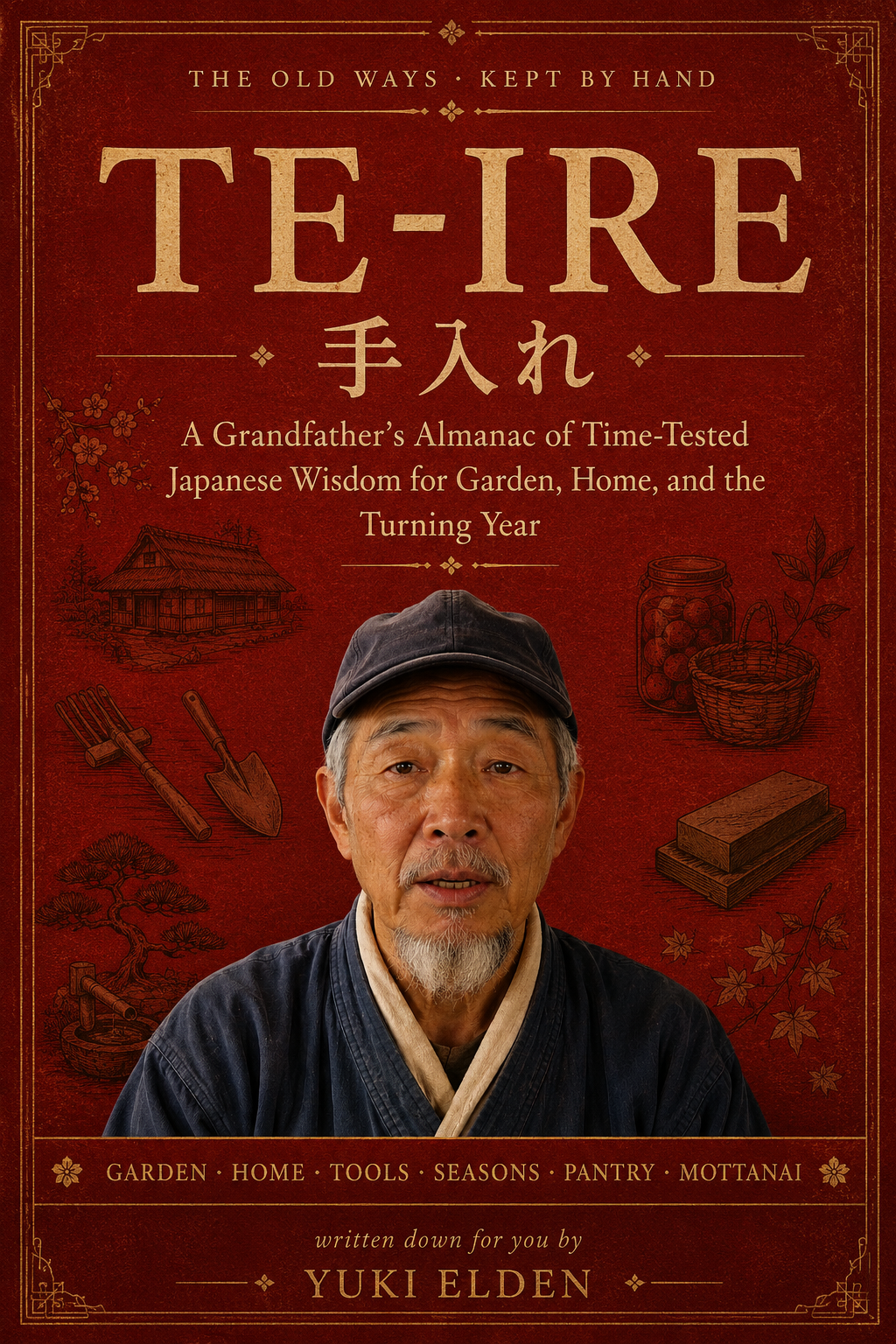
THE OLD WAYS · KEPT BY HAND
Te-ire (手入れ) means “to put the hands in; to tend.” It is a grandfather's almanac of time-tested Japanese wisdom for the garden, the home, and the turning year — gathered from people who never read a book about it, and written down before it vanishes.
“A life is kept by the small things done each morning.”
序 · BEFORE WE BEGIN
That the good life is the easy life — the one with the fewest tasks. So it sells you machines to remove the chores, then sells you gyms and pills to put back what the machines took away: the movement, the patience, the quiet satisfaction of a thing done well with your own two hands.
And kept the emptiness. The bedding goes unaired, the blade goes dull, the step rots at the threshold — and nobody remembers why the house feels tired.
The two minutes you skip today you borrow back at a cruel rate of interest tomorrow. The clean step never rots. The watched roof never floods the parlor.
Everything in this book was learned from people who never wrote it down — grandmothers, old farmers, a carpenter who could plane a board until it shone like water.
一 · THE ART OF SMALL CARE
Te-ire is not the same as repair. Repair is what you do after the damage. Te-ire is what you do so the damage never comes. The West has a hundred words for fixing and almost none for tending — and that absence, the old man writes, explains a great deal.
This little book could almost stop at one sentence: tend things before they break, and they will not break. The rest is simply how — five minutes a day, not five hours a year — across the garden, the toolshed, the kitchen, and the rooms of a home built to last two centuries.
“We do not tend things because they are broken. We tend them so that they never break.”
目次 · WHAT'S INSIDE
Read one chapter, choose one small practice, and do it for a month until your hands know it without your mind. Then return for the next. Wisdom you have not done is only a rumor.
Te-ire — tending before things break. Why five minutes daily beats five hours yearly, and how care becomes attention.
The twenty-four sekki and seventy-two microseasons. Plant by the bloom, not the date — let the land tell the time.
Feed the soil, not the plant. Mulch, no-dig beds, companion planting, deep watering, and the hard lesson of mabiki.
Mow high, mow sharp, leave the clippings — and the quiet luxury of a moss garden where grass only sulks.
A tool is a partner, not a possession. The whetstone, the oily rag, the sand box — make a sharp blade a ritual.
Let the house breathe. Air the bedding, manage the water, choose finishes that forgive — a home for two hundred years.
Mottainai — the dignity of repair. Sashiko, boro, kintsugi, and closing the loop between kitchen and garden.
Preserving with sun and salt. Tsukemono, the living nukadoko bran bed, umeboshi, and cooking with time.
Slow mornings, gentle movement, ikigai, ma, and the warm close of the ofuro — the shape of a long life.
A two-page seasonal wheel: what the old hands tended in the garden, the home, and the larder through spring, summer, autumn, and winter. Pin it where you'll see it.
声 · WHAT READERS SAY
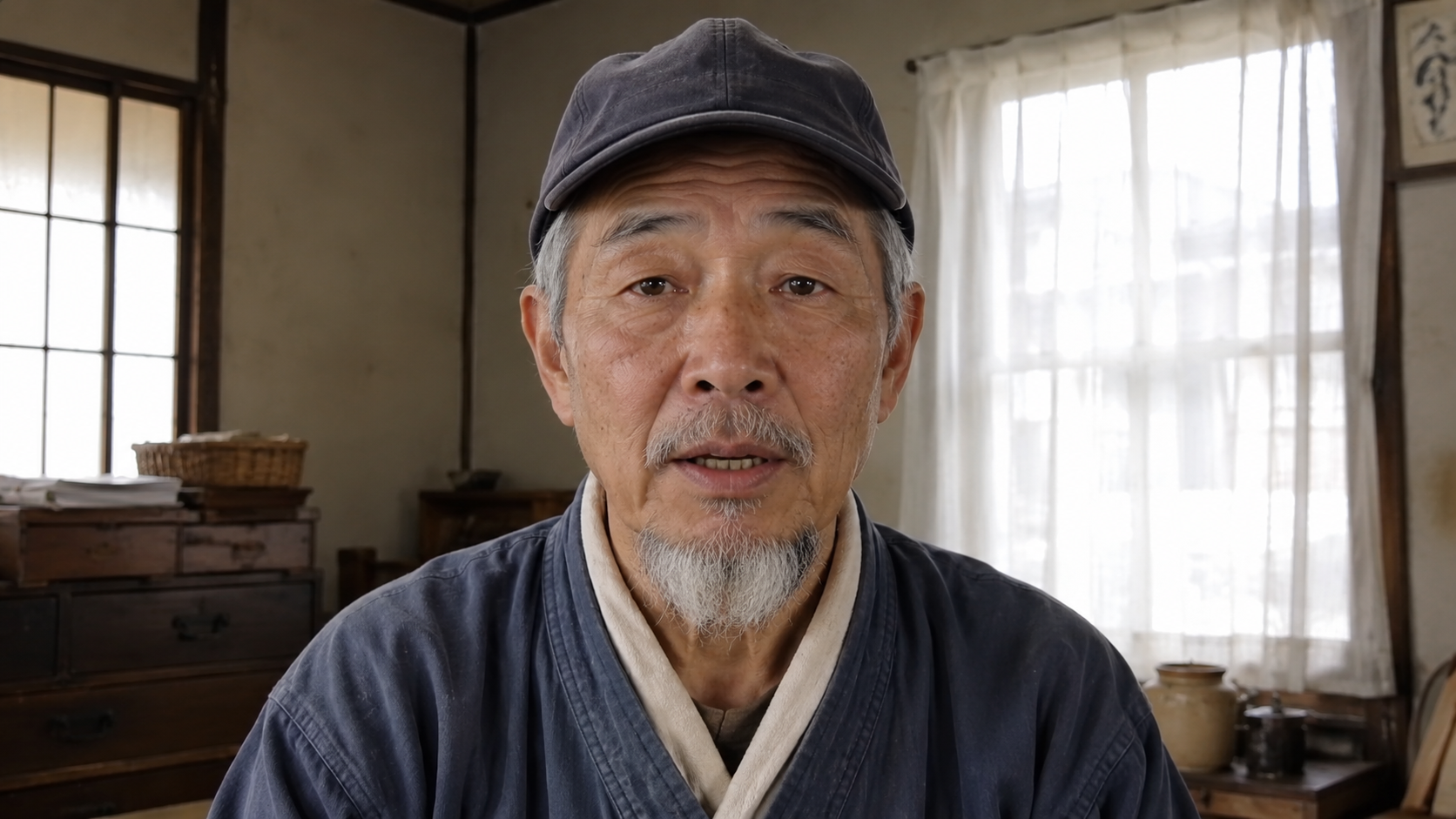
“I read one chapter a month, exactly as he asks. Six months in, my knives are sharp, my bedding smells of sun, and I am calmer than I have been in years.”
“It isn't a productivity book and it isn't nostalgia. It's a way of paying attention. The chapter on tools alone was worth far more than $27.”
“My nukadoko bran bed is three months old now and I stir it every morning. This book gave me a reason to rise. That's not a small thing.”
“Beautifully written, gently practical. I bought copies for both my grown children. Everyone should hear the old man on the porch at least once.”
価値 · WHAT IT'S REALLY WORTH
This isn't a $27 book. It's a lifetime of habits that quietly pay you back every single season — in tools you never replace, food you never waste, and a home that never rots. Here's the honest math.
One payment · lifetime access · 30-day refund
“Neglect is the most expensive habit there is. This book is the cure — and it costs less than the chores it saves.”
Skip it, and you keep paying the slow tax of neglect — season after season, for the rest of your life. Twenty-seven dollars, once, ends that for good. This is not a cost. It's the last one you'll need to make.
完 · GET YOUR COPY
Read it, try one practice, and tend it for a month. If your hands and your home are not the better for it, write to us within 30 days for a full refund. The wisdom is yours to keep either way.
問 · QUESTIONS
It's a beautifully typeset PDF you download instantly after purchase. Read it on your phone, tablet, computer, or e-reader — or print it and keep it on the shelf by the back door.
Not at all. The practices scale from a single windowsill and one good knife to a full homestead. The whole point is to choose one small thing and tend it. A pot of herbs and a sharp blade are plenty to begin.
No. It's a grandfather's almanac of te-ire — small care, kept by hand — spanning garden, home, tools, the pantry, and the rhythm of a day. The wisdom is Japanese; the practice works anywhere there are seasons and hands.
27 pages across 9 chapters, plus a two-page seasonal almanac and a glossary. Short enough to read in an evening — but written to be lived one chapter a month.
It's a single, one-time price for lifetime access and every future update. The launch price is $27 (regularly $79). No subscription, no upsells.
You're covered by a 30-day, no-questions refund. Try one practice for a month; if it doesn't earn its place, write to us and we'll return your money.
ichi-go ichi-e — tend it well. Choose one thing, do it tomorrow, and let the rest follow.
Get Te-ire — $27